
Feedback
freeTrialImage.bannerPity
freeTrialImage.upgradeUnlock
- ✓freeTrialImage.benefitHd
- ✓freeTrialImage.benefitWatermark
- ✓freeTrialImage.benefitUnlimited
Nano Banana 2.1 vs pro
Compare Nano Banana 2.1 vs pro in one free workspace: check how the speed-first model stacks up against the premium tier for your images and edits.
AI Tools
Explore AI tools


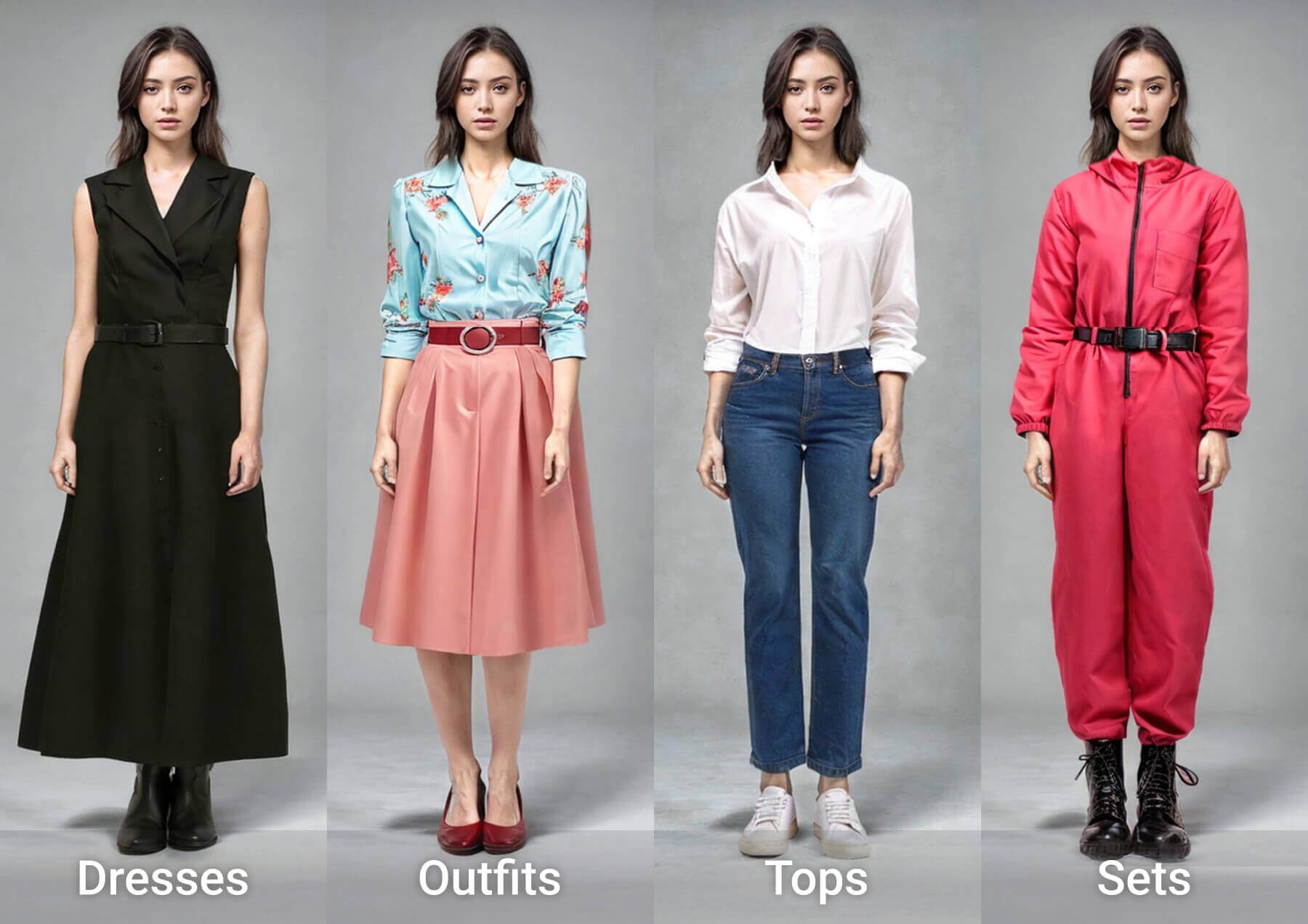

Nano Banana 2.1 vs pro — Where Each Model Shines
They share a Gemini lineage, yet each is built for a different workload: one prizes throughput, the other pursues maximum fidelity.
- Everyday Speed vs Studio-Grade Power2.1 stays lean on latency and credits for routine generation, while the Pro tier is reserved for demanding, detail-heavy visual jobs.
- Sharper Output, Cleaner Wide FramesRenders start at 1K and scale to 2K or 4K, and the extreme 1:4, 4:1, 1:8, and 8:1 canvases no longer show tiling seams.
- Reference Blending at ScaleBlend as many as 14 source images while keeping four characters and ten distinct objects visually consistent.
Pick the Right Model in Three Steps
Run this quick workflow to see which tier suits your project before you commit.
Nano Banana 2.1 vs pro — Your Questions Answered
Straight answers for anyone deciding between these two Gemini image tiers.
What exactly is Nano Banana 2.1?
It is Google's latest efficiency-focused image model, handling both generation and conversational edits. As an evolution of Nano Banana 2, it preserves Flash-tier latency and pricing.
Where does Nano Banana 2.1 stand next to Nano Banana Pro?
Treat 2.1 as the quicker, more economical option; the Pro tier remains the choice for demanding visuals that rely on broad world knowledge, localization, and strict brand guidelines.
Which capabilities matter most in Nano Banana 2.1?
It merges up to 14 reference images, keeps four characters and ten objects stable across edits, and brings tunable reasoning depth, search grounding, and improved text rendering.
What can't Nano Banana 2.1 do yet?
Anything real-time or tool-driven falls outside its range — there is no Live API, no Maps grounding, and no function calling or file search hooks. Audio responses, caching, structured outputs, and URL context are missing too.
Which resolutions and aspect ratios can I use?
You can render at 1K, 2K, or 4K with 1K as the default, and the elongated 1:4, 4:1, 1:8, and 8:1 formats stay free of tiling seams at the higher two resolutions.
How do I reach Nano Banana 2.1 via the Gemini API?
Invoke gemini-nano-banana-2.1 through the Gemini API or the Batch API, or try it directly inside Google AI Studio.
Put Nano Banana 2.1 vs pro to the Test
Generate with each tier using your own ideas, then consult the official Gemini API docs and Google AI Studio when you are ready to build.